Vibe computing

Concept · Human-computer interaction

Overview

Vibe computing is a proposed term for the practice of operating a computer by describing intended outcomes in natural language rather than executing the individual steps required to produce them. In its usage, the user states what is wanted and the system handles the underlying operations.

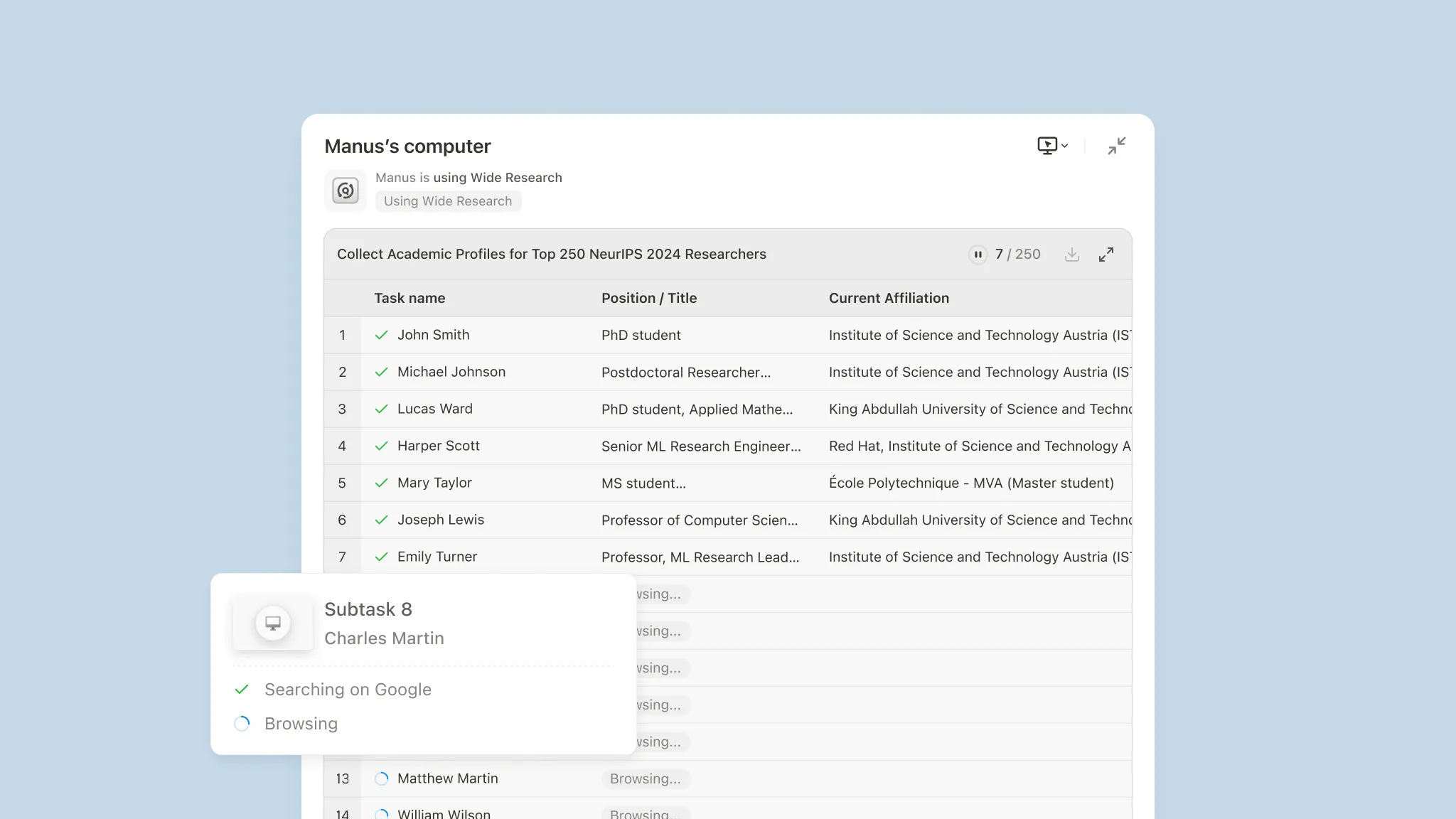
The term names a broader pattern of which vibe coding, the practice of building software primarily by describing desired behavior to an AI assistant, is one specialized case. Where vibe coding concerns software development, vibe computing is generally applied to other forms of digital work as well, including writing, editing, navigation, communication, file management, scheduling, and orchestration of tasks across applications.

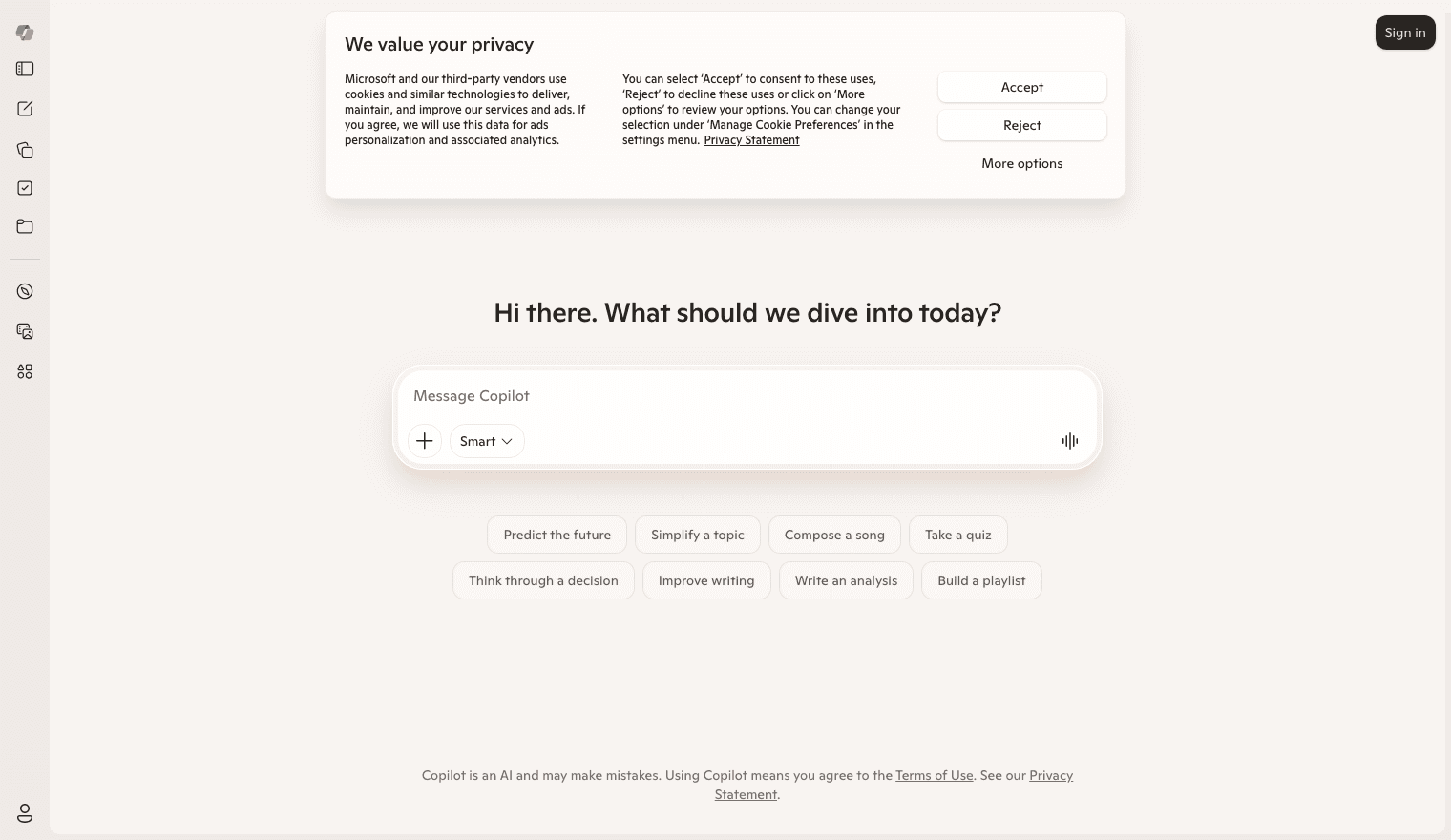
Discussion of the concept developed alongside the spread of large language model–based assistants in 2024. It is used to describe an interaction pattern observed across a range of tools, including agentic coding environments and voice-driven desktop assistants.

Concept

Vibe computing is characterized by a shift in the role assigned to the human at the computer. In conventional usage, the user is described as an operator: someone who has learned the controls of a given application and carries out the steps required to produce an outcome. In the usage proposed by the term, the user is described as a director: someone who states the intended outcome and reviews the result, while the operational sequence is delegated to the system.

The pattern is enabled by software capable of translating natural-language descriptions into operations. Such software may produce sequences of clicks, file operations, API calls, code edits, calendar events, or any combination of actions across one or more applications. In the framing commonly used, the “how” is taken on by the system and the “what” by the user.

As used, the term is descriptive rather than evaluative. It names a pattern observed across a class of tools without asserting that the pattern is preferable to direct operation, or that it applies reliably to all categories of work.

Examples

A non-exhaustive list of tools and products commonly cited as examples of vibe computing in practice. Inclusion is descriptive and not an endorsement; each entry is treated equally regardless of maker.

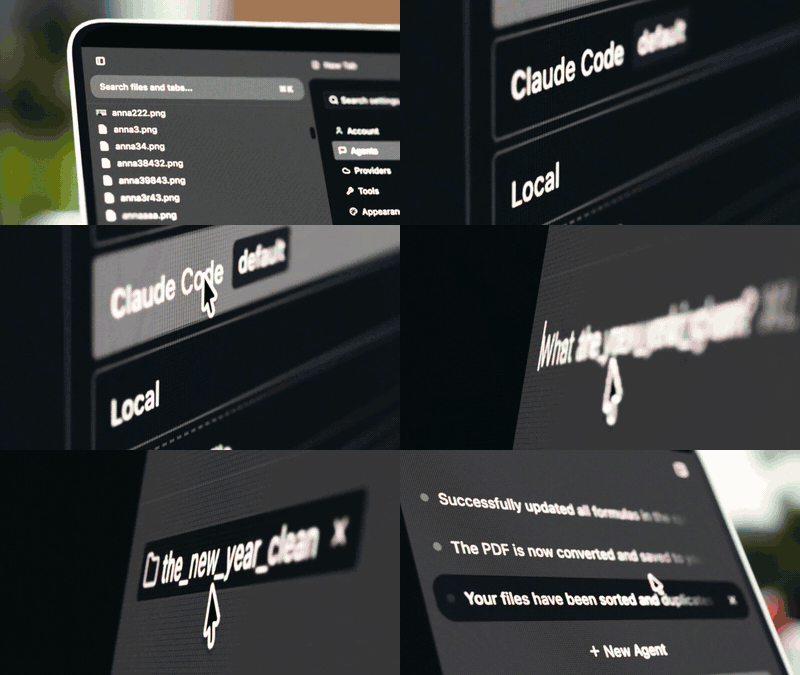
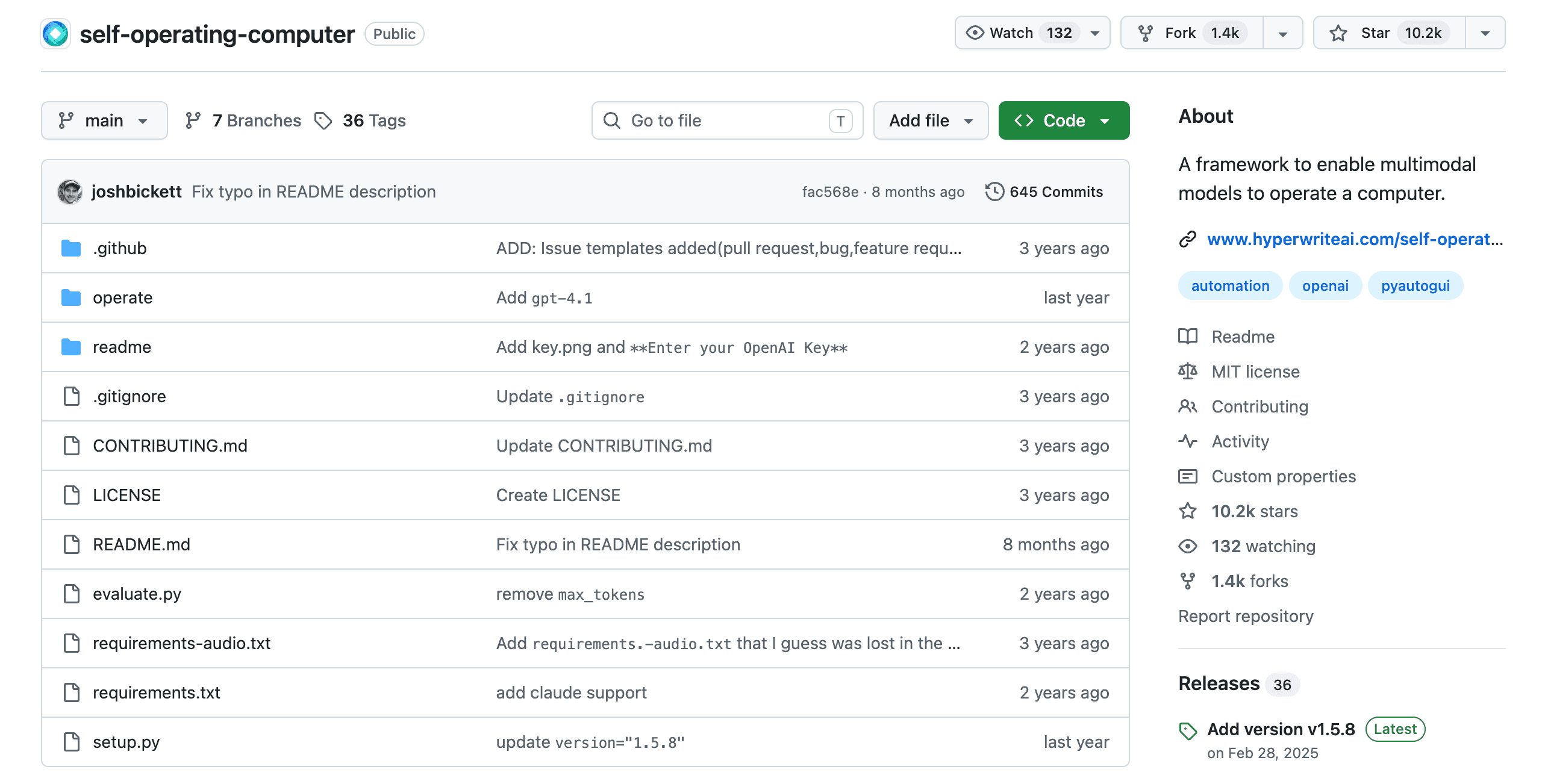
Claude Code

Anthropic's agentic coding tool. Developers describe intended changes; the system edits files, runs commands, and iterates.

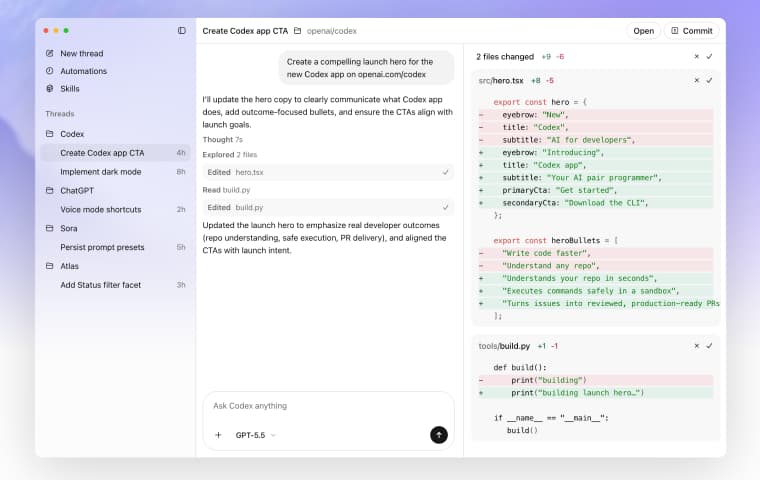
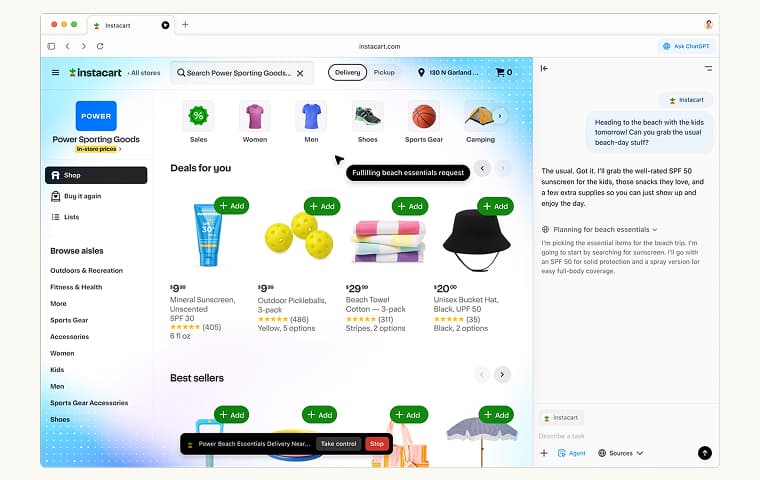
Codex

OpenAI's agentic coding service. Cloud-based code execution driven by natural-language task descriptions.

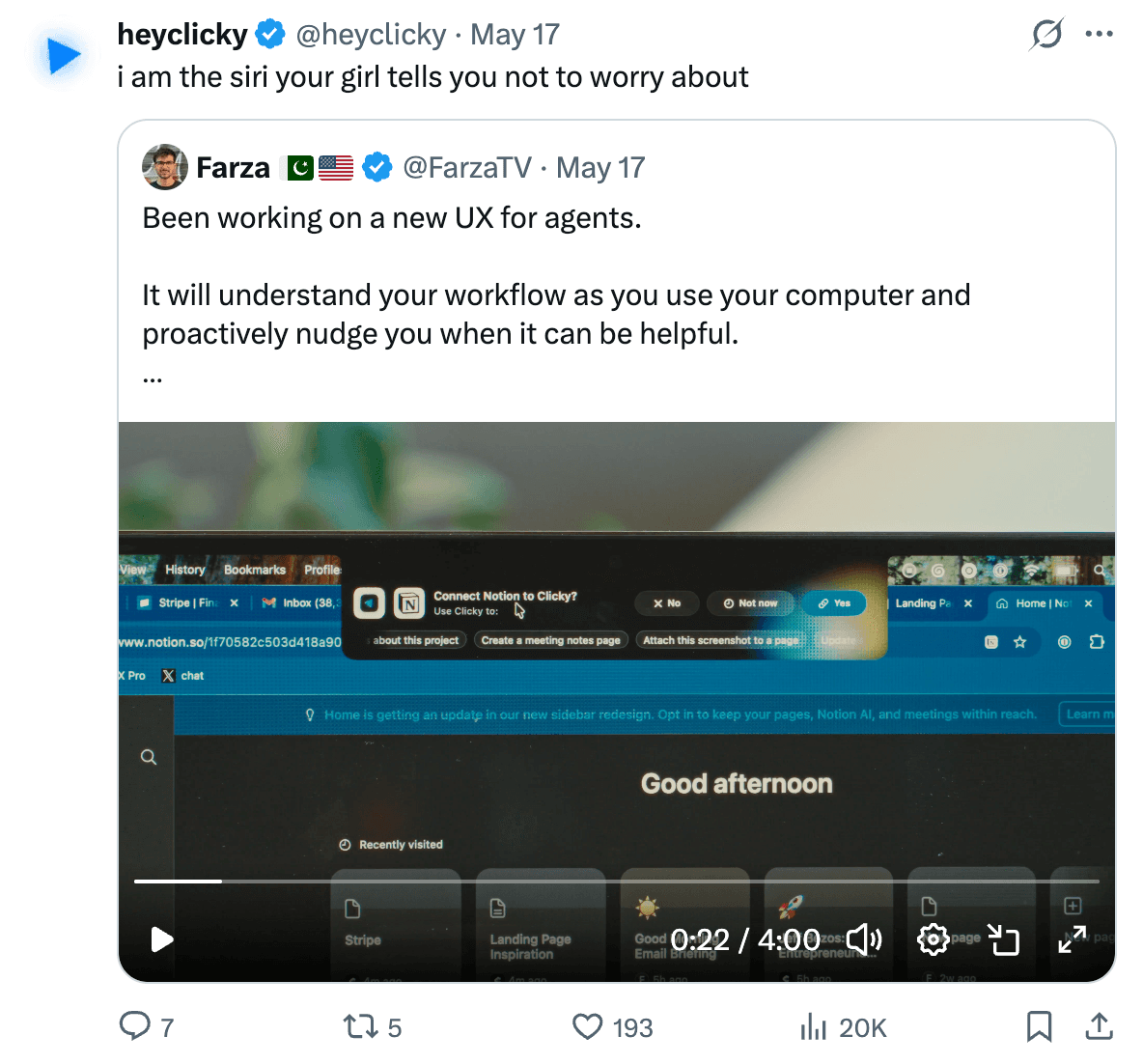
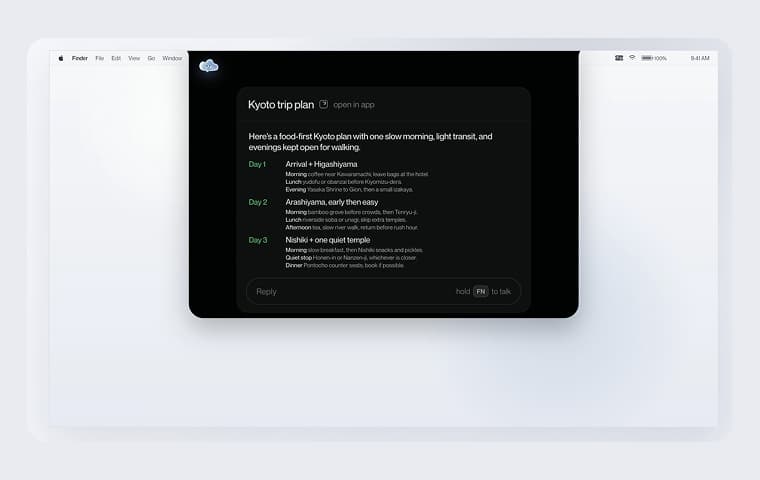
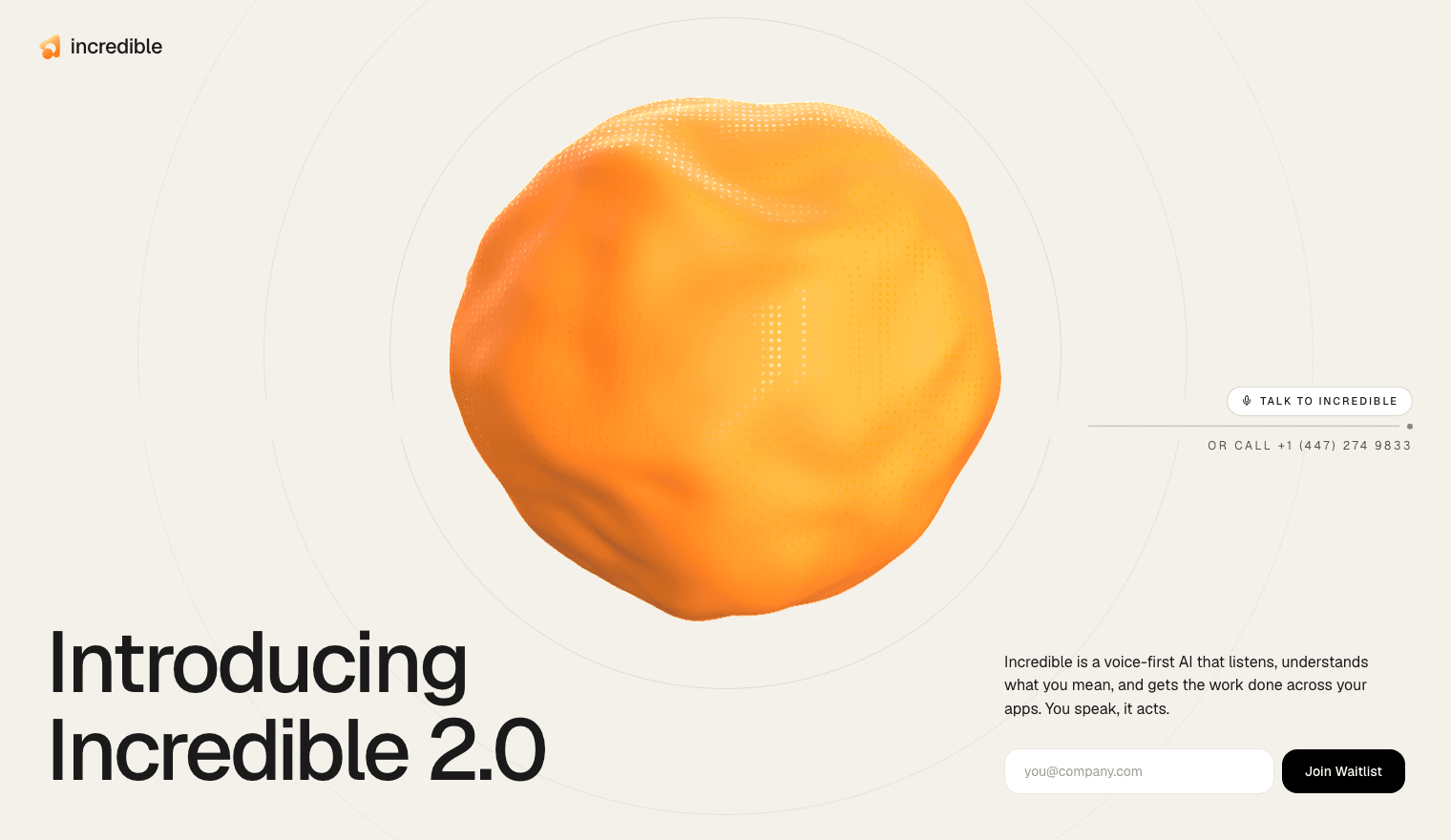
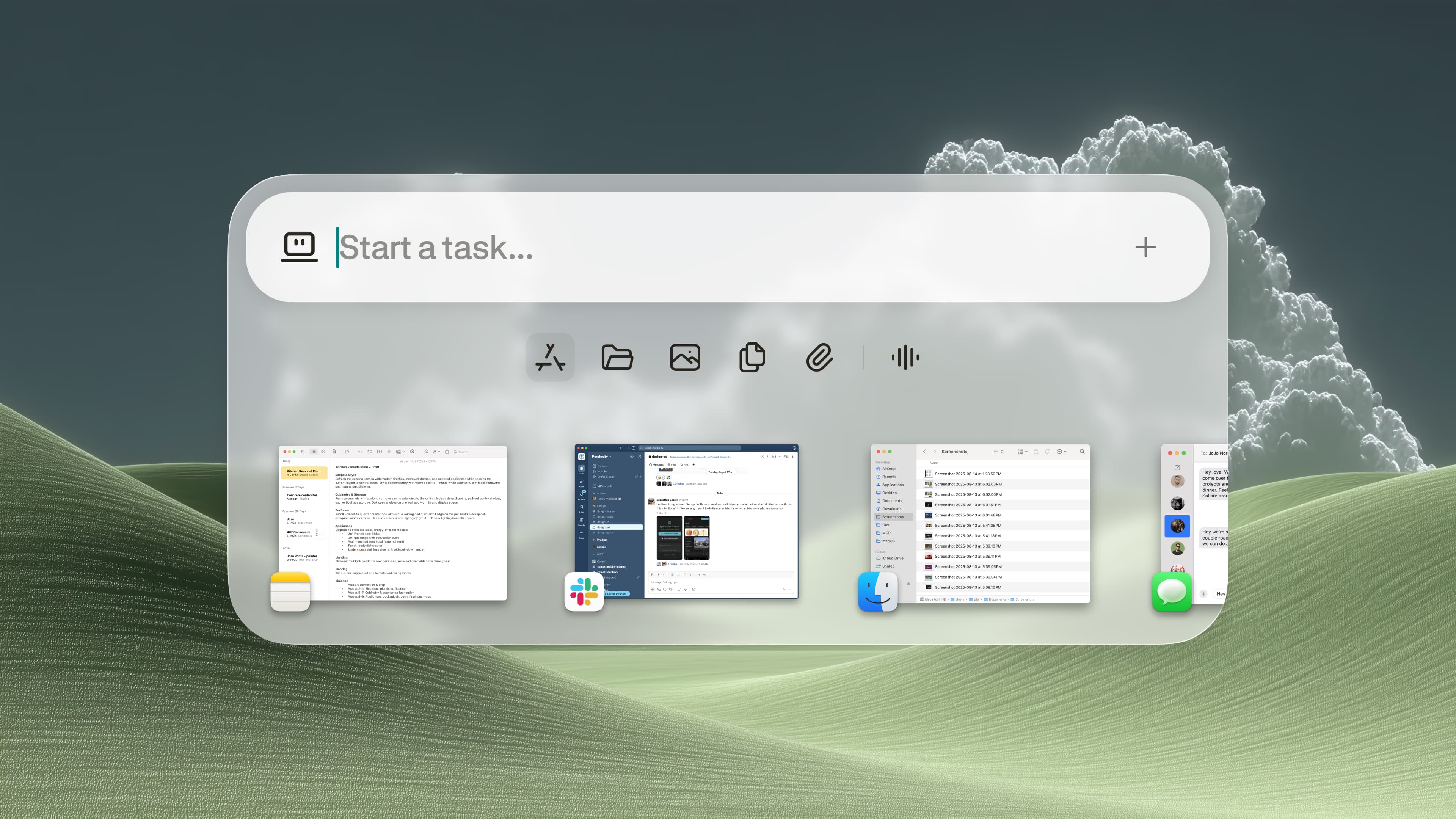
Incredible

Voice-first AI that reads screen context and acts across applications.

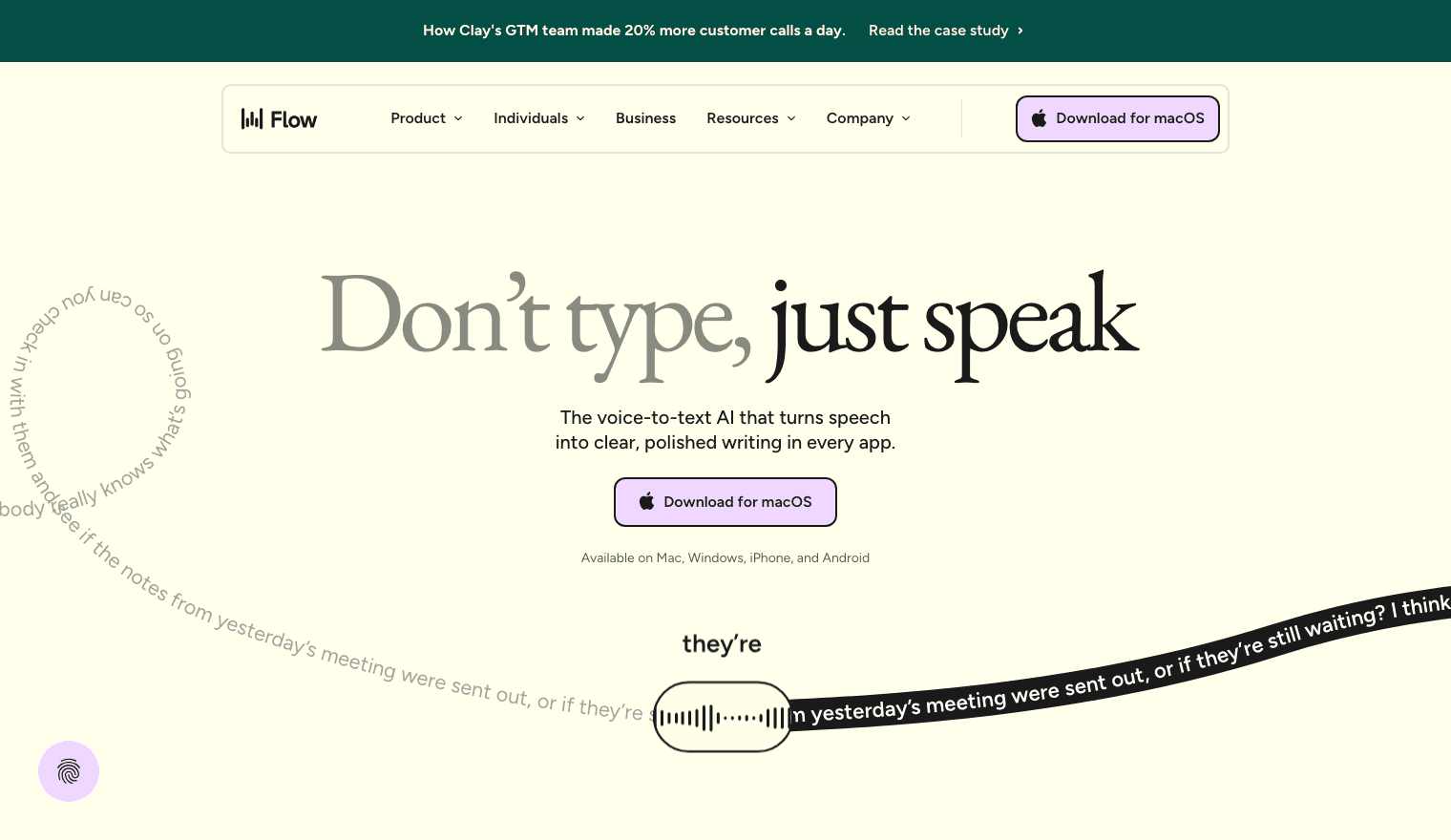
Wispr Flow

Desktop dictation. Speak instead of type across applications.

To suggest an example, email hello@vibecomputing.com with name, URL, and one sentence.

Reception

Discussion of vibe computing has appeared in several registers. Some accounts describe the term as naming a shift in human-computer interaction that lowers the prerequisite of knowing how a tool works in order to use it, and compare it in kind, though not necessarily in scale, to the introduction of the graphical user interface.

Other accounts note that the pattern depends on the reliability of the underlying language models, that delegating operations to a system whose internal reasoning is opaque introduces its own costs, and that the boundary between vibe computing and earlier research on natural-language interfaces is not always sharply drawn. Some commentators treat the term as a useful label and others as a restatement of existing ideas under a new name.

Origin

The term vibe computing is most commonly attributed to Philip Alm, who used it in November 2024 on the Swedish AI podcast Veckans AI in conversation with host Magnus Paues. Alm proposed the term in response to the spread of vibe coding(Andrej Karpathy, February 2024). The observation behind the coinage was that what people found notable about vibe coding, namely that the user no longer translated intent into the machine’s formal syntax, was not specific to software development and could be applied to digital work more generally.

The framing has since circulated in writing about AI interaction paradigms, and is used both within and beyond the original Swedish-language context in which it was first introduced.

References

Essays, podcasts, talks, and posts discussing vibe computing and adjacent ideas.

The original Veckans AI conversation

Magnus Paues interviews Philip Alm. The episode in which vibe computing was first introduced.

Reflections on the coinage

Magnus Paues' post reflecting on the conversation and quoting Alm's framing.

To suggest a reference, email hello@vibecomputing.com with title, source, date, and link.

About this page

This page is an open reference for the term vibe computing. It is intended as a neutral entry on the concept and is not affiliated with any specific product or company referenced on it. Corrections, additions, and suggested references are welcome at hello@vibecomputing.com.

Inclusion in the examples or references sections is at the discretion of the maintainers and is not influenced by affiliation.